2026/09/09
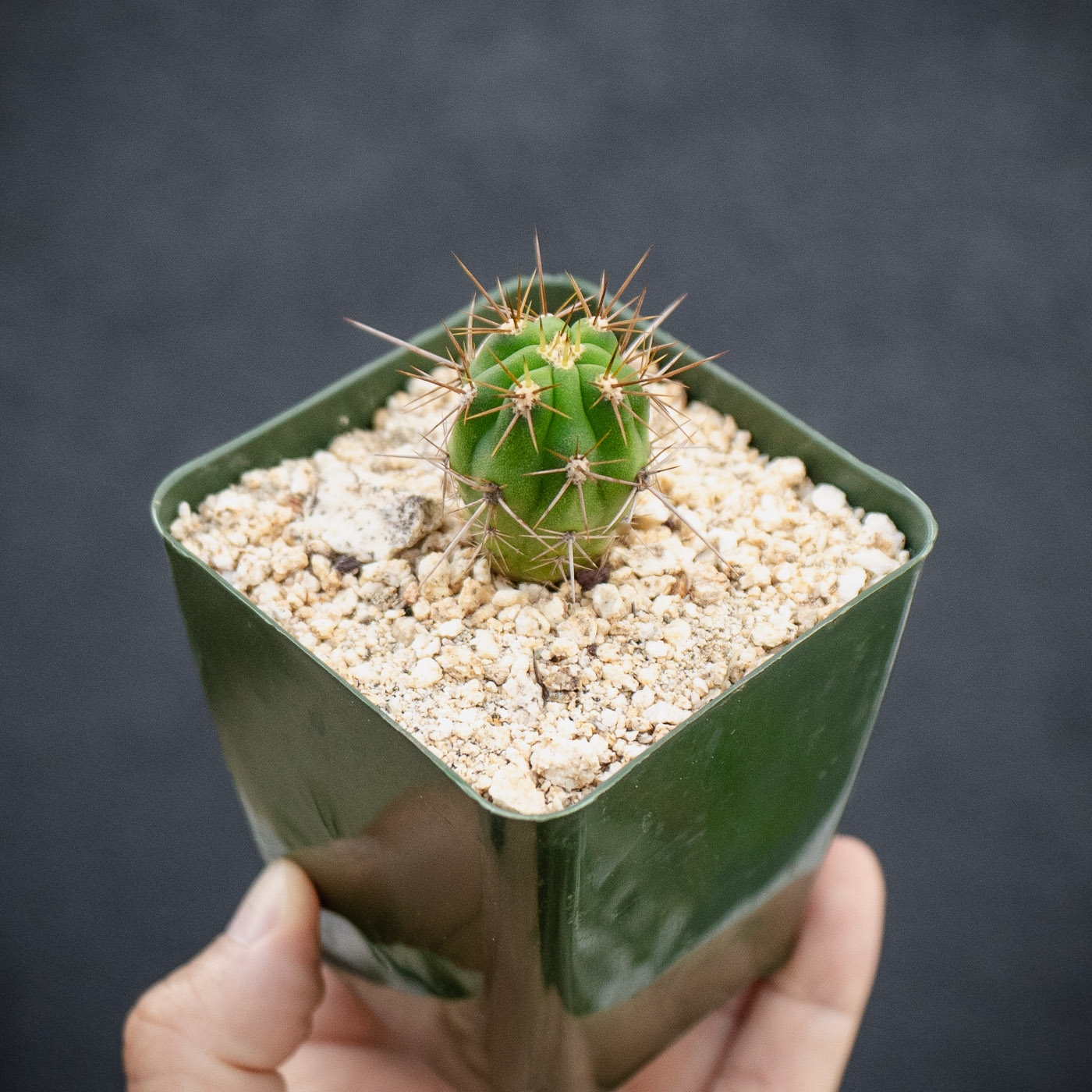
Trichocereus chiloensis
Acquired12 days ago9/5/2026
Notes
Adapted to a Mediterranean to semi-arid climate featuring warm, dry summers and mild, wet winters, this columnar species pushes active growth during the long, sunny months. In a coastal Zone 10b environment, it thrives outdoors beneath the protective diffusion of shade cloth, which prevents its skin from scorching while allowing it to soak up ample light. Because it is a vigorous grower that dislikes stagnant moisture, it requires a fast-draining, highly porous mineral substrate—such as a chunky blend of pumice, decomposed granite, and calcined clay. Housed in a heavy, breathable raw cement pot to anchor its substantial weight, it appreciates deep, thorough waterings during the peak heat of summer, provided the mineral mix dries out completely between applications, followed by significantly reduced moisture and protection from heavy downpours during the cooler winter months.
Origin
Chile. This robust, sculptural columnar cactus is endemic to the arid coastal and interior valleys of central and northern Chile, spanning from Coquimbo down toward O'Higgins. In its native habitat, it forms massive, treelike branched columns up to several meters tall, featuring prominent ribs, stout golden-brown to grey spines, and woolly areoles. As a foundational element of the Chilean matorral and lower Andean slopes, it often serves as a natural nurse plant for smaller cacti and shrubs, eventually producing large, night-blooming white flowers followed by edible, sweet fruits known locally as quiscos.