2026/06/13
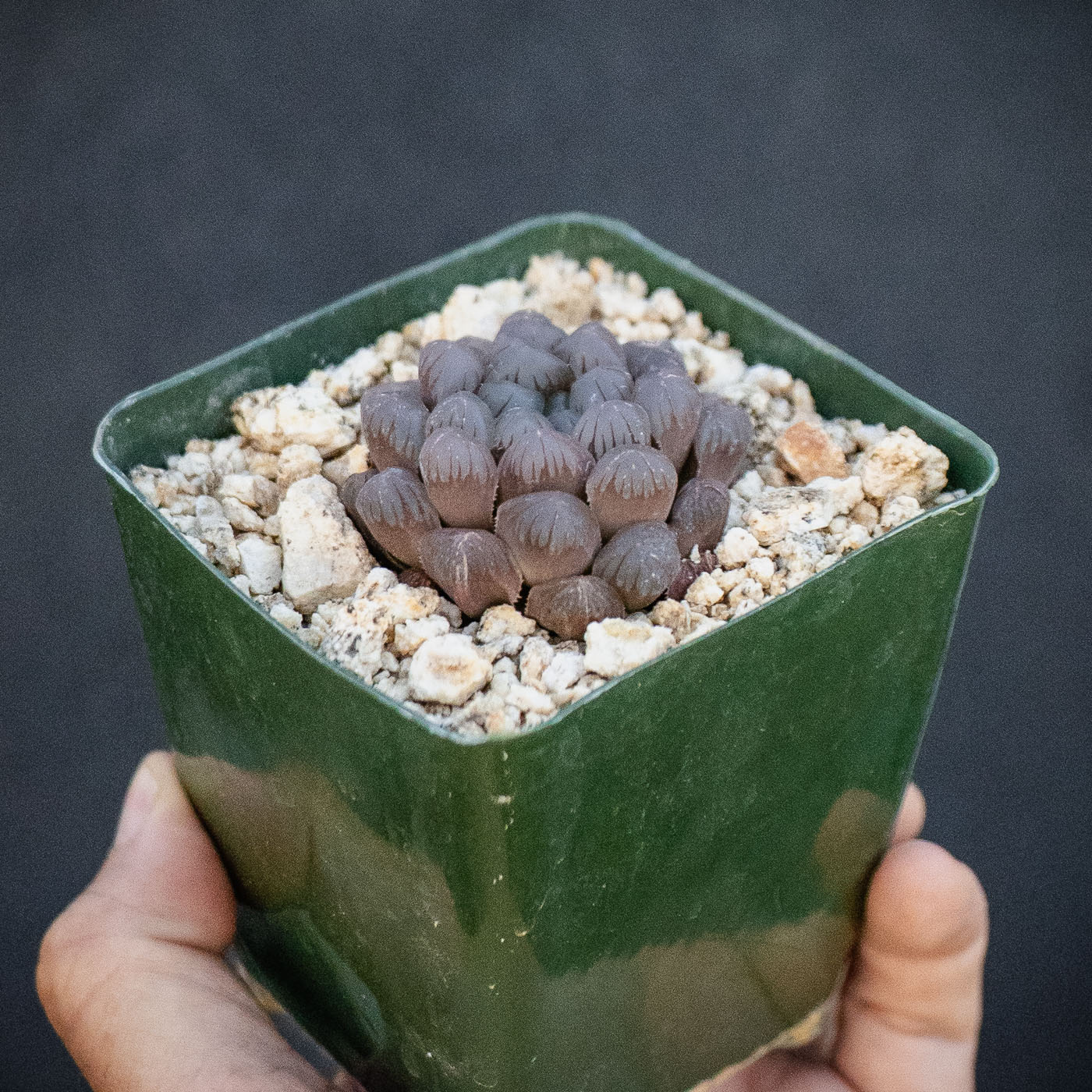
Haworthia cooperi var. truncata cv. Ice Lantern
Acquired4 months ago5/28/2026
Notes
This cultivar thrives primarily during the cool, mild periods of autumn and spring, backing off its growth velocity during both the freezing winter nights and the stagnant, high-heat stretches of mid-summer. Unlike many true winter succulents, it keeps a steady metabolic baseline under bright, indirect light or filtered shade if conditions remain temperate. The crystalline window panes on the leaf tips are highly specialized evolutionary adaptations designed to allow light to penetrate deep into the subterranean chlorenchyma tissue for photosynthesis while mitigating surface sunburn.
In cultivation, its extensive, fleshy root system is highly prone to collapsing if subjected to hot, waterlogged soil. It performs best in a highly porous, well-ventilated, mineral-dominant mix (such as 80% pumice or gritty akadama blended with minimal organic matter) and requires a strict soak-and-dry watering rhythm—holding back moisture significantly when household humidity is high or during seasonal temperature extremes to protect its root health.
Origin
Cultivar origin (with wild roots in South Africa). While this specific cultivar is a product of selective horticultural breeding—highly prized and refined by Asian breeders (often imported as 'Pan's Ice Lantern' or highly variegated forms)—the underlying genetic lineage of *Haworthia cooperi* belongs to the Eastern Cape province of South Africa. The wild ancestors populate regions around Port Elizabeth, Grahamstown, and the dry river basins of the Sundays and Great Fish Rivers. In habitat, the species grows low to the ground, often tucked into the shelter of grass clumps or embedded in shale gravel. The 'Ice Lantern' cultivar has been bred specifically to accentuate large, deeply rounded, globose leaf apices with hyper-translucent, glass-like epidermal "windows" and prominent, clear green structural veining, giving the entire compact rosette a luminous, frozen look.
Note: Coordinates indicate a general region for educational purposes and are not exact locations. Please do not use them for collection or poaching.