2026/09/14
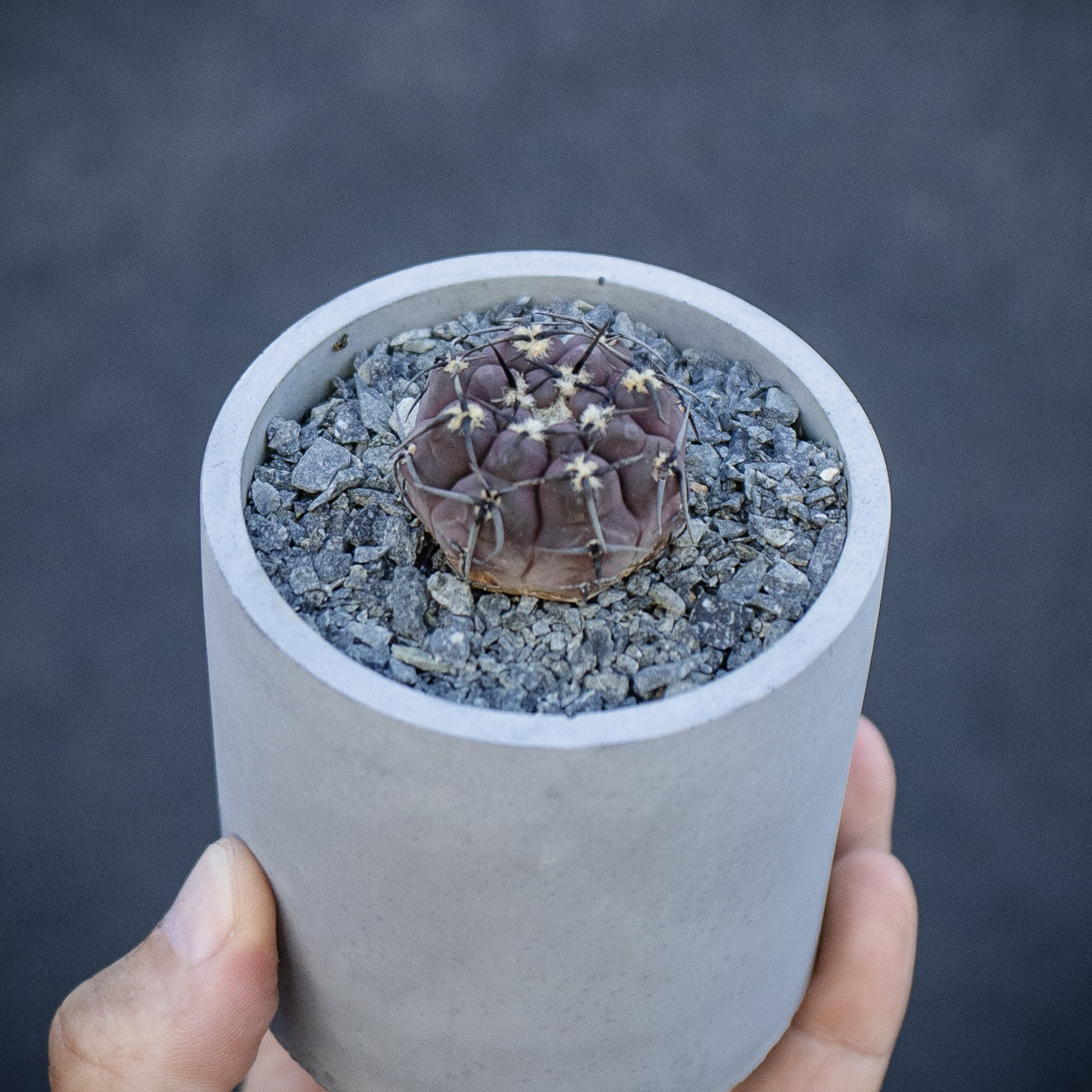
Gymnocalycium striglianum
Acquired6 days ago9/11/2026
PotterPrickly Point
Notes
Adapted to a temperate desert climate characterized by warm, occasionally wet summers and cold, dry winters, this species actively pushes growth during the hot months. In a coastal Zone 10b environment, it thrives outdoors beneath the protective diffusion of shade cloth; due to its intensely dark epidermis, it absorbs heat rapidly and is highly susceptible to scorching if exposed to harsh, direct midday sun. A polycarbonate roof is strictly necessary during the winter months to block out cold, stagnant seasonal rains that would easily rot its thick, fleshy taproot. To replicate the coarse soils of its native habitat, it demands an uncompromisingly fast-draining, highly porous mineral substrate—such as an 80% volcanic pumice blend cut with calcined clay and coarse decomposed granite. Housed in a deep, breathable raw cement pot to accommodate its taproot system, water deeply and thoroughly during the peak summer heat when active growth occurs, provided the substrate dries completely between applications, and enforce a strict, bone-dry rest throughout the cool winter dormancy.
Origin
Argentina. Endemic to the arid, pre-Andean Monte Desert regions, primarily concentrated within the Mendoza province. In its native habitat, it typically grows half-buried in coarse alluvial gravels or nestled under the protective nurse canopies of low desert scrub to shield itself from blistering solar radiation. It is highly prized by collectors for its remarkably dark, almost black or deep purplish-green epidermis, forming a flattened-globose, solitary body. It features deeply notched, chin-like ribs armed with stout, rigid, slightly curved radial spines (lacking central spines) that emerge dark before weathering to a chalky grey, eventually producing large, striking white to pale pink flowers from its apex.
Note: Coordinates indicate a general region for educational purposes and are not exact locations. Please do not use them for collection or poaching.