2026/08/20
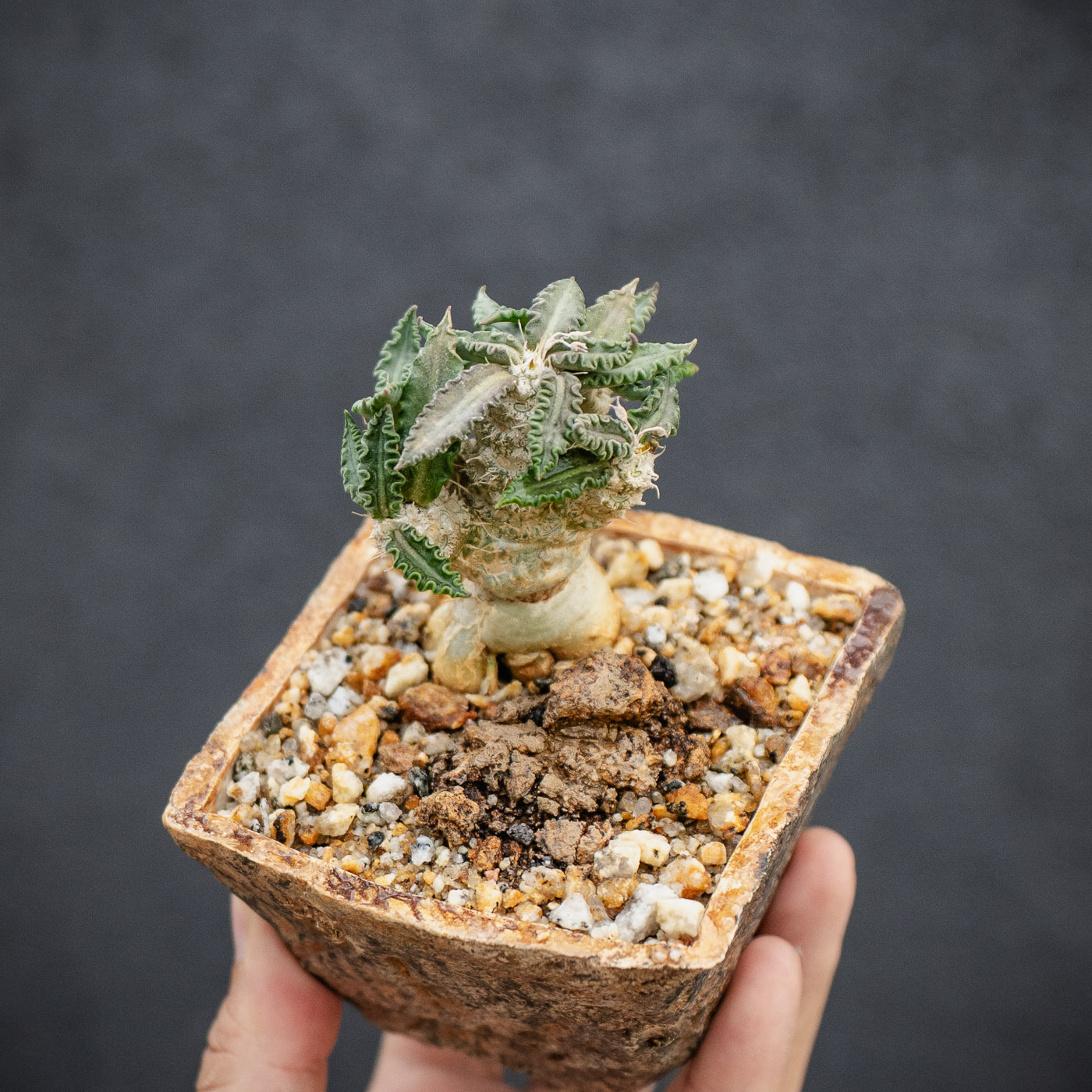
Euphorbia tulearensis
Acquired13 days ago8/20/2026
PotterUngrounded Objects
Notes
Adapted to a seasonal tropical climate with warm, wet summers and long, dry winters, this species wakes up in the spring and pushes new foliage throughout the warm months. In a coastal Zone 10b environment, it performs beautifully outdoors beneath the protective diffusion of shade cloth and a polycarbonate roof, which shields its delicate leaves from scorching while strictly blocking out cold winter rains. Because it is notoriously sensitive to rot if kept damp while cool, it demands an uncompromisingly fast-draining, highly inorganic substrate—such as a gritty blend of volcanic pumice, calcined clay, and coarse decomposed granite. Housed in a breathable raw cement pot, it appreciates deep, thorough waterings during the peak heat of summer, provided the mix dries out rapidly between soakings. As temperatures drop in autumn, water must be withheld entirely, enforcing a strict, bone-dry dormancy throughout the winter months.
Origin
Madagascar. This exceptionally rare and highly coveted succulent is endemic to the harsh, rocky limestone cliffs and slopes of the southwestern region around Toliara (formerly Tuléar) and Saint Augustin. In its native habitat, it grows wedged into limestone pockets, developing a woody tuberous caudex that remains partially buried beneath the soil line to survive intense heat and prolonged drought. Above ground, it forms a compact, bonsai-like shrub of thick, short, angled branches crowned with narrow, undulate, crinkled green leaves that often take on stunning coppery-bronze tones under bright light or stress. During mid-summer, it produces small, unassuming greenish-yellow cyathia surrounded by delicate beige or pinkish cyathophylls.
Note: Coordinates indicate a general region for educational purposes and are not exact locations. Please do not use them for collection or poaching.