2026/08/09
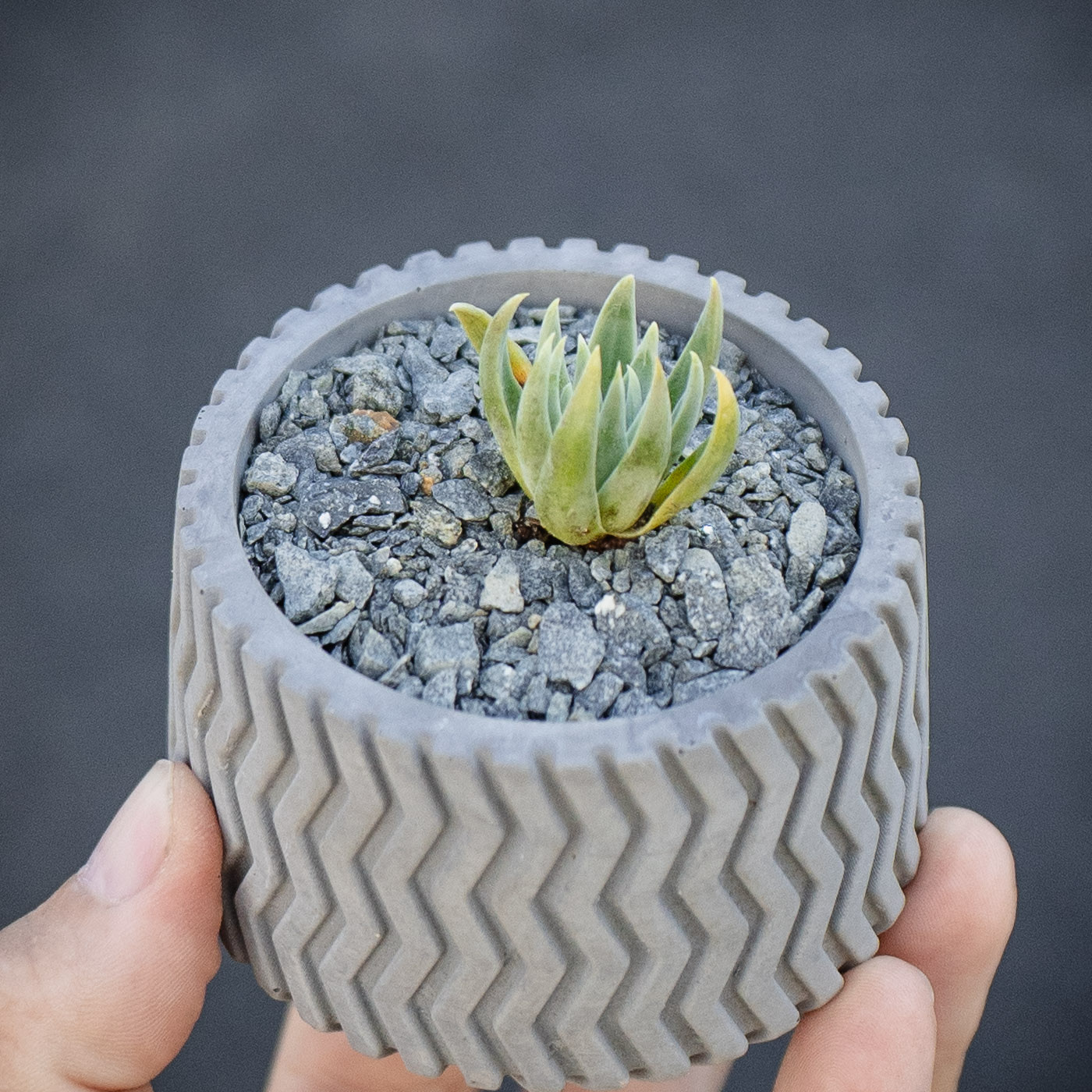
Dudleya saxosa subs. saxosa
Acquiredabout 1 month ago8/8/2026
PotterPrickly Point
Notes
Adapted to a true Mediterranean and high-desert winter-rainfall pattern, this species wakes up and performs its primary growth during the cool, wet months of autumn, winter, and spring. In a mild coastal climate like Zone 10b, it thrives outdoors year-round when positioned under the bright, filtered diffusion of a polycarbonate and wood shade house, which protects its delicate farina from being washed away by heavy rain or scorched by direct sun. It demands an uncompromisingly fast-draining, highly inorganic mineral substrate (such as 80% to 90% pumice, decomposed granite, and coarse grit with minimal organic loam). Water deeply only when the soil has dried completely during its cool active season, and maintain a completely dry, highly ventilated dormancy throughout the peak heat of summer to prevent the crown and root system from rotting.
Origin
United States. This magnificent, sculptural native succulent is strictly endemic to the desert mountain ranges of Inyo County in California, with the iconic type form heavily concentrated on the sheer, rugged limestone and metamorphic cliffs of the Panamint Range bordering Death Valley. Growing at elevations ranging from 3,000 to over 7,000 feet, it wedges itself tightly into vertical rock fissures and shaded cliff crevices, where it endures extreme summer heat, baking solar radiation, and freezing winter mountain temperatures. The plant forms a striking, solitary or slowly clumping rosette composed of long, lance-shaped, thick succulent leaves that taper to a sharp point. The foliage features a distinct, powdery, chalky-white to silvery-grey waxy coating (farina) that reflects intense light. In late spring, it sends out tall, reddish floral scapes that branch out to hold clusters of bright, star-shaped yellow flowers.
Note: Coordinates indicate a general region for educational purposes and are not exact locations. Please do not use them for collection or poaching.