2026/07/28
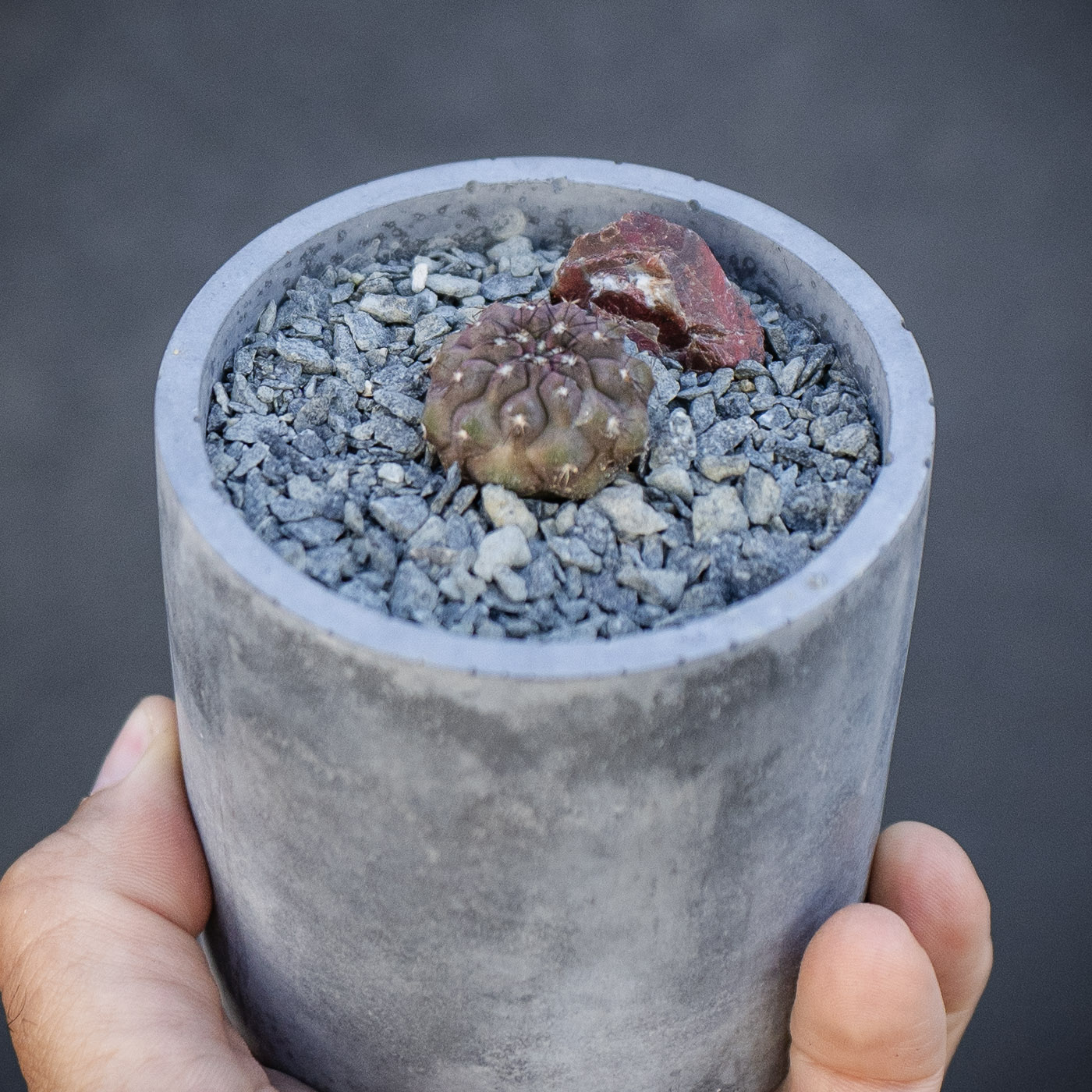
Copiapoa montana
Field Data
Field NumberFR 522
Recorded ByFriedrich Ritter
LocalityTaltal, Chile
Event DateFebruary 1956
Field data provided by rarecactus.com
Notes
Positioned perfectly along the coastal mountain ridges to capture incoming Pacific atmospheric moisture, this population relies completely on the dense camanchaca fog that blankets the hillsides during the cooler autumn, winter, and spring months. The stem body is connected via a highly constricted, slender neck to a massive, thick, tuberous napiform taproot that acts as an underground reservoir. It slows its metabolism down dramatically during the dry, intense heat of mid-summer to shield this root system from drying out. In early summer, it reliably pushes glossy, satiny, pale lemon-yellow flowers out of the apical felt. In cultivation, its large underground taproot makes it highly vulnerable to rot from over-watering or soil compaction; it requires an aggressively sharp-draining, mineral substrate (such as 85% to 90% premium pumice, decomposed granite, and volcanic gravel with zero uncomposted organics) and should be watered with a highly restrained hand only during mild weather when the medium is entirely bone-dry.
Origin
Chile. The historic field collection number FR 522 tracks back to Friedrich Ritter's discovery in February 1956 in the coastal mountains North of Taltal (specifically around the lower rocky ridges of Quebrada San Ramón) within the Antofagasta region of the Atacama Desert. Unlike the hyper-waxed, chalky coastal plains species, Copiapoa montana is a mountain dweller, populating steep rocky slopes, crevices, and fog-shrouded hillsides between 200 and 600 meters. The FR 522 form is highly distinct for its rich, oily dark green to deep olive-green epidermis, which lacks a heavy white cuticular wax. The stem starts globose and turns distinctly columnar with age, featuring 10 to 17 heavily tubercled ribs. It is fiercely armed with stout, needle-like, dark brownish-black to jet-black spines that erupt from contrasting, rounded areoles coated in thick white felt.
Note: Coordinates indicate a general region for educational purposes and are not exact locations. Please do not use them for collection or poaching.