2026/09/09
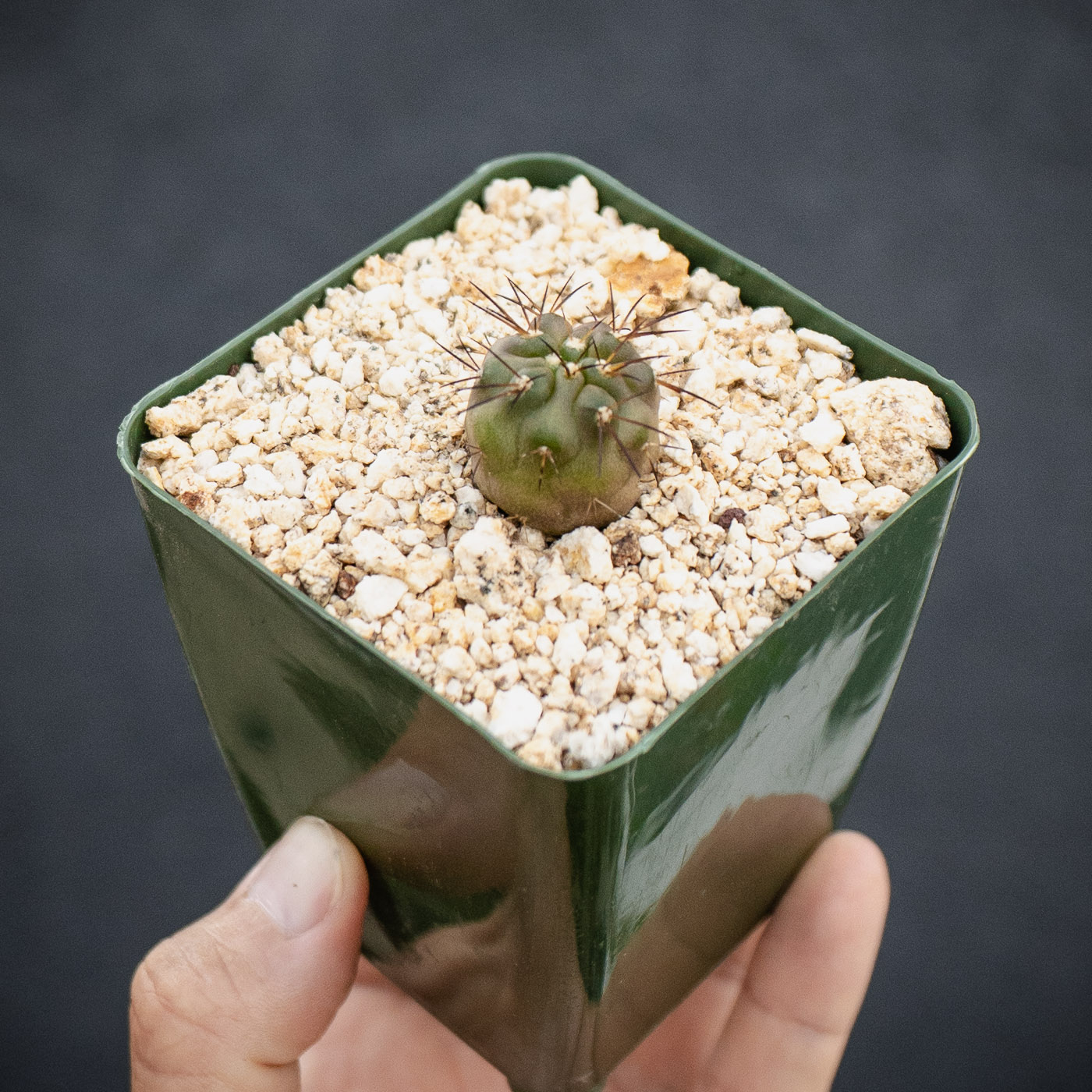
Copiapoa longistaminea
Acquired12 days ago9/5/2026
Field Data
Field NumberJN 2215
Recorded ByJan Novák
LocalityMina Las Lucas, Chile
Field data provided by rarecactus.com
Notes
Evolving in an extreme desert environment where annual rainfall is practically non-existent, this species relies almost exclusively on the dense camanchaca fogs drifting inland from the Pacific. In a coastal Zone 10b environment, it thrives outdoors beneath the protective diffusion of shade cloth and a polycarbonate roof, which shields its skin from scorching while strictly blocking out winter rains that would rapidly rot its root system. To replicate its harsh, rocky habitat and prevent bloating, it demands an uncompromisingly fast-draining, highly mineral substrate—such as a custom blend of 80% volcanic pumice, calcined clay, and coarse decomposed granite. Housed in a deep, breathable raw cement pot, water must be applied with extreme discipline only during warm, breezy days in the shoulder seasons, enforcing a strict, completely dry rest throughout the peak mid-summer heat and cold winter months.
Origin
Chile. This specific field collection (JN 2215, recorded by Jan Novák) originates from the hyper-arid, mineral-rich hills around Mina Las Lucas in the Antofagasta Region. In its native habitat, it grows scattered across desolate, rocky slopes exposed to extreme solar radiation and maritime aridity. It forms robust, solitary to clustering globose or short-cylindrical bodies with a grey-green epidermis, stout dark spines, and a woolly apex. As its specific epithet (longistaminea) suggests, it is particularly distinguished botanically by its remarkably long stamens protruding from its pale yellow flowers.
Note: Coordinates indicate a general region for educational purposes and are not exact locations. Please do not use them for collection or poaching.