2026/09/14
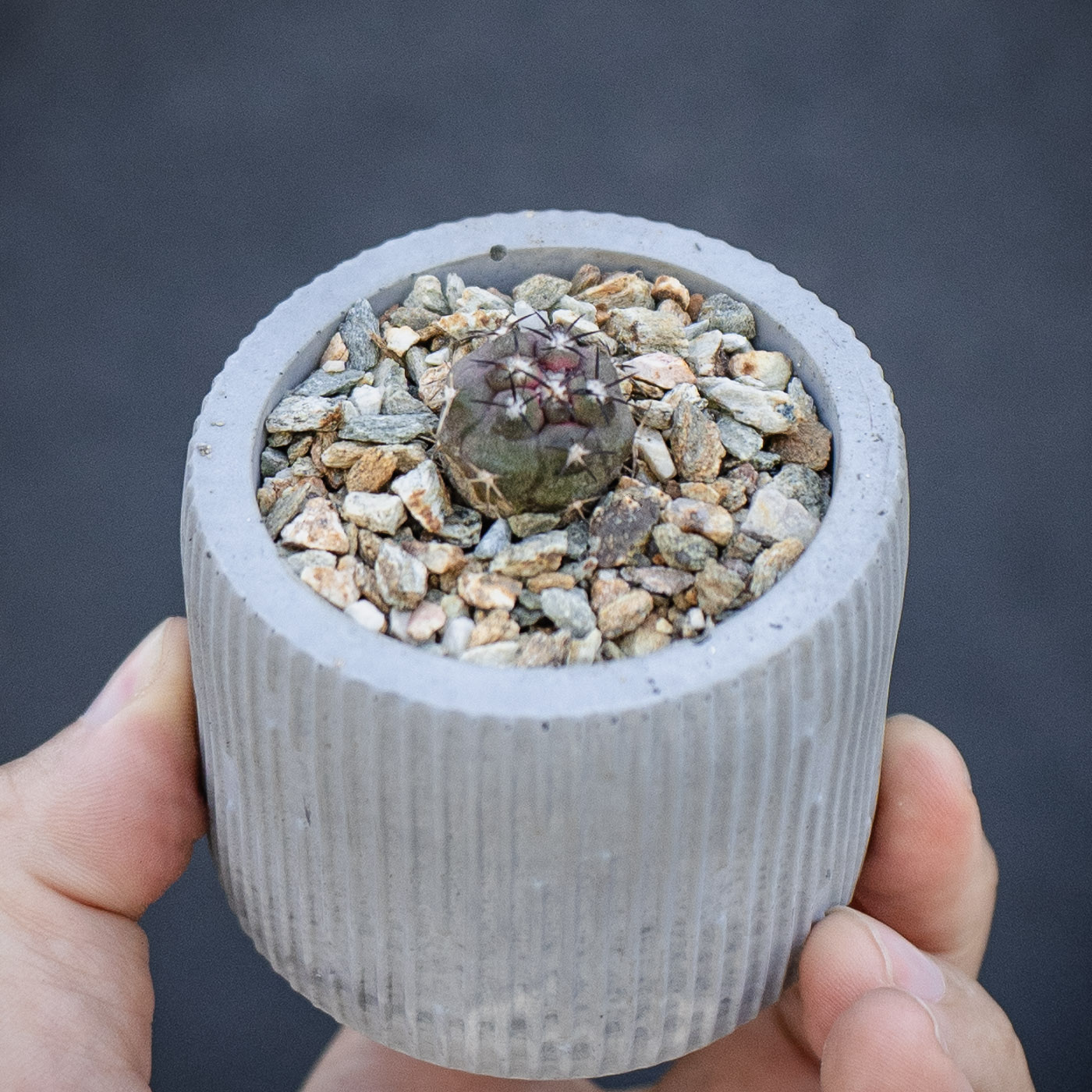
Copiapoa dura
Notes
Evolving in a severe, practically rainless environment, this species survives almost entirely by capturing moisture from the dense camanchaca fogs sweeping in from the Pacific Ocean. In a coastal Zone 10b environment, it thrives outdoors under the protective diffusion of shade cloth, which prevents its rigid epidermis from blistering under intense direct sun. A polycarbonate roof is absolutely critical to block out unpredictable winter rains that would quickly rot its root system. To replicate the harsh coastal scree of its native habitat, it demands an uncompromisingly fast-draining, highly mineral substrate—such as a custom gritty blend of 80% volcanic pumice cut with calcined clay and coarse decomposed granite. Housed in a deep, breathable raw cement pot, water must be applied with extreme discipline only during warm, breezy days in the shoulder seasons, enforcing a strict, completely dry rest throughout the peak mid-summer heat and cold winter dormancy.
Origin
Chile. Endemic to the hyper-arid coastal terraces of the Atacama Desert, this formidable species is primarily found spanning the rocky expanses north of Totoral. True to its specific epithet (dura, meaning hard), it forms incredibly rigid, robust, and densely clustering mounds of globose to short-cylindrical stems. It features a grey-green to brownish-green epidermis and is powerfully armed with thick, awl-like, dark brown to black spines that jut aggressively from its well-defined ribs. Over decades of enduring coastal extremes, mature clusters develop a dense, woolly apex from which its classic pale yellow flowers emerge.
Note: Coordinates indicate a general region for educational purposes and are not exact locations. Please do not use them for collection or poaching.