2026/07/31
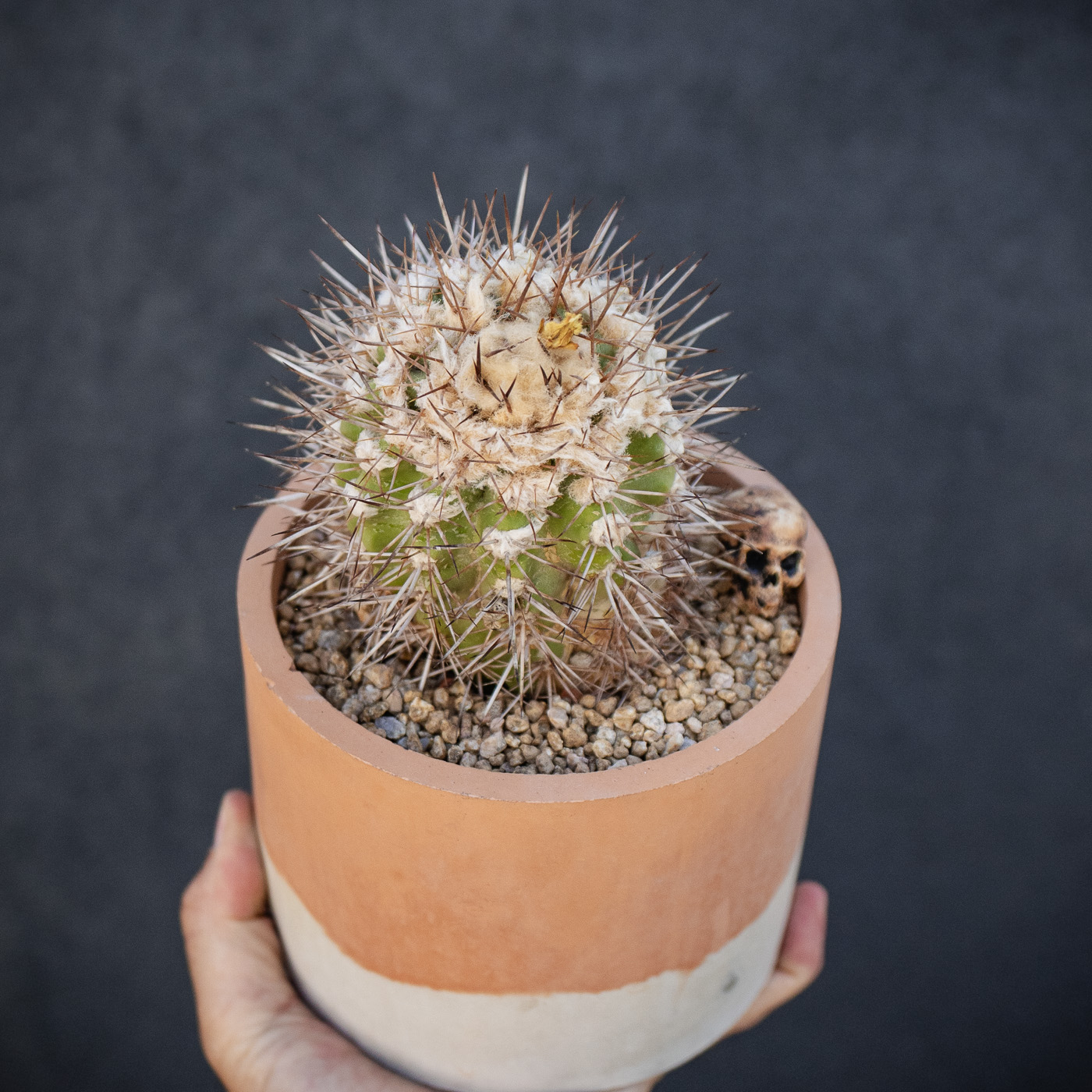
Copiapoa coquimbana var. pendulina
Acquiredabout 2 months ago7/29/2026
PotterPrickly Point
Notes
Hailing from an extremely arid coastal environment, this species is heavily reliant on the thick coastal fogs that roll in from the Pacific Ocean, though it is more tolerant of a traditional summer watering schedule than the hyper-arid northern Copiapoas. It forms a massive, stout taproot that is highly susceptible to rot if allowed to sit in stagnant moisture. In cultivation, it demands an exceptionally coarse, highly aerated mineral substrate to allow water to flush through instantly. It performs best with light, regular waterings during the warm summer months—strictly allowing the soil to dry out completely between cycles—followed by a completely dry, cool winter dormancy to protect the root system from moisture-related fungal issues.
Origin
Chile. Representing the southernmost reach of the Copiapoa genus, this species is native to the coastal hills of the Coquimbo Province, specifically around La Serena and Fray Jorge National Park. It often hangs on steep, northwest-facing slopes, rooted deeply into crevices of hard, fractured igneous rocks. It branches profusely from the base to form large clumps up to a meter across. The individual stems are elongated-globose, pale to bright green, and feature 10 to 17 tuberculate ribs. The areoles produce 8 to 10 slender radial spines and one or two thicker central spines that range from pale brown to black before weathering to grey. At the apex, the plant produces a crown of dense, copious grey wool from which bright sulfur-yellow, campanulate flowers emerge.
Note: Coordinates indicate a general region for educational purposes and are not exact locations. Please do not use them for collection or poaching.