2026/09/09
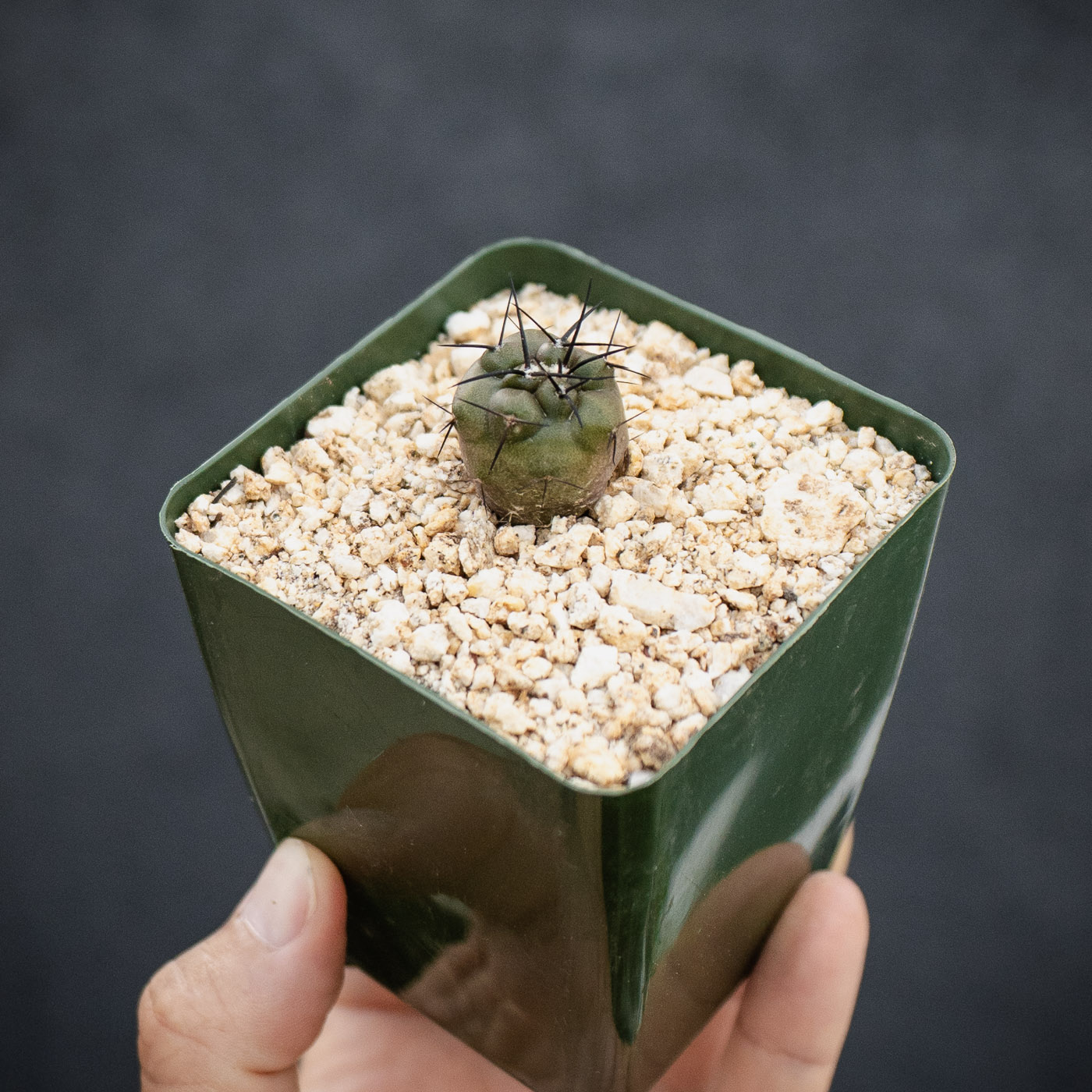
Copiapoa cinerea
Sowingover 2 years ago1/1/2024
Acquired12 days ago9/5/2026
Field Data
Field NumberJN 2490
Notes
Native to a hyper-arid coastal zone where measurable rainfall is practically non-existent, this plant survives almost entirely by absorbing the cool, moisture-laden camanchaca fogs. In a coastal Zone 10b environment, it thrives outdoors where a protective layer of shade cloth diffuses the intense sun, while a polycarbonate roof is strictly necessary to block out unpredictable winter rains that would quickly rot its sensitive root system. To replicate its barren, rocky habitat, it demands an uncompromisingly fast-draining mineral substrate—such as a heavily inorganic blend of 80% volcanic pumice mixed with decomposed granite and calcined clay. Housed in a deep, breathable raw cement pot, water must be applied with extreme discipline only during warm, breezy days in the shoulder seasons, enforcing a strict, completely dry rest throughout the peak mid-summer heat and cold winter months.
Origin
Chile. This specific field collection (JN 2490, recorded by Jan Novák) originates from the hyper-arid coastal terraces around Piscinas Aluvionales in the Antofagasta Region. In its native habitat, it grows on harsh, gravelly alluvial deposits exposed to intense solar radiation and heavy maritime aridity. It forms stark, solitary to clustering globose to cylindrical stems heavily coated in a chalky-white waxy epicuticular layer (pruina) that serves as an essential protective shield against extreme UV rays. This pale, chalky epidermis contrasts sharply against its rigid black spines and the dense cushion of grey to golden wool crowning its apex.
Note: Coordinates indicate a general region for educational purposes and are not exact locations. Please do not use them for collection or poaching.