2026/08/21
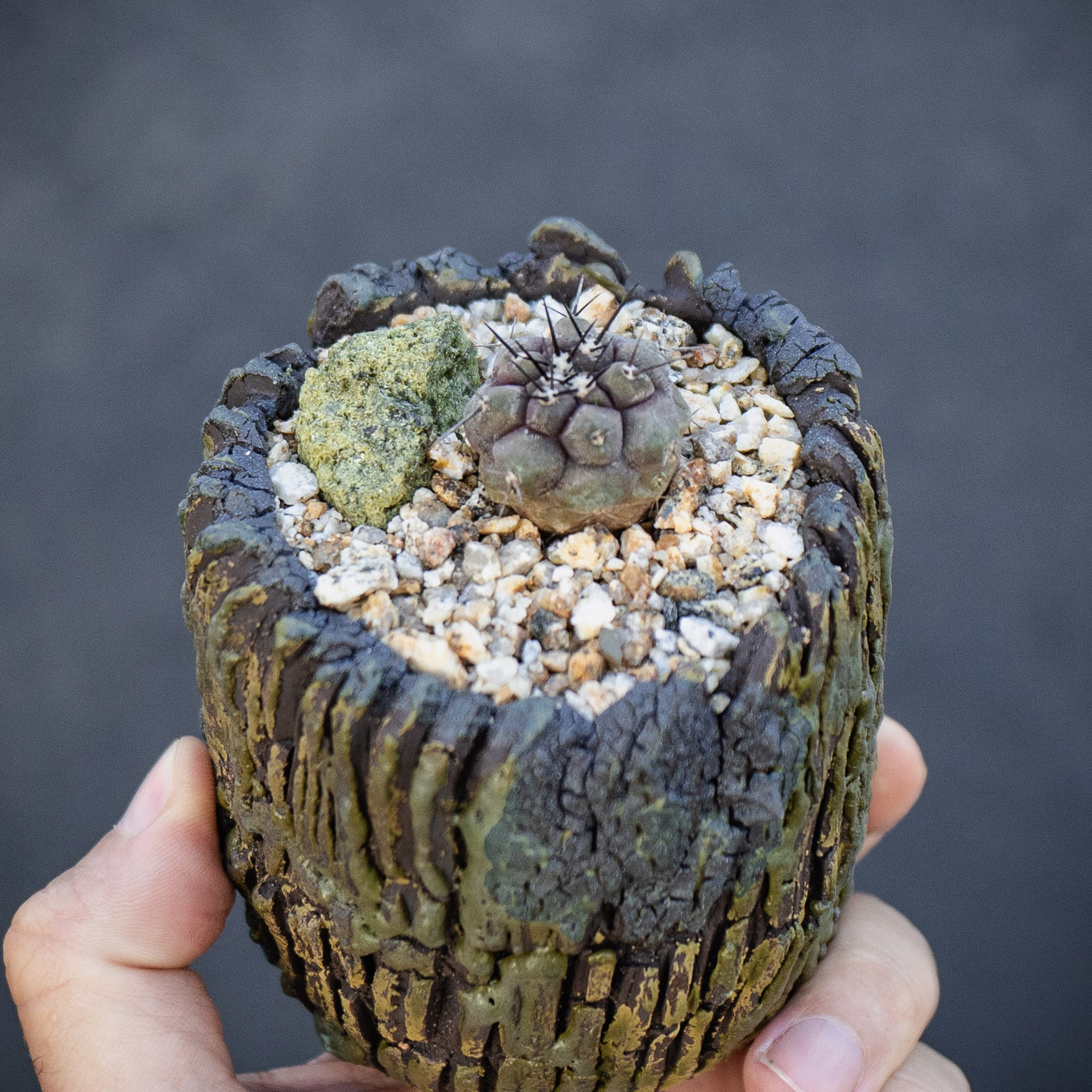
Copiapoa cinerea
Acquired12 days ago8/21/2026
PotterGV Succulents
Notes
Native to a zone where measurable rainfall is practically a myth, this plant survives almost entirely by drinking in the cool, moisture-laden camanchaca fogs that roll off the Pacific Ocean. In a coastal Zone 10b environment, it thrives outdoors where a protective layer of shade cloth diffuses the intense afternoon sun, preventing its waxy epidermis from scorching. A polycarbonate roof over the growing area is absolutely essential to block out unpredictable winter rains that would quickly rot its sensitive taproot. To replicate its barren, rocky habitat, it demands an uncompromisingly fast-draining mineral substrate—such as a heavily inorganic blend of pumice, decomposed granite, and calcined clay. Housed in a deep, breathable raw cement pot, water must be applied with extreme discipline only during warm, breezy days in the shoulder seasons, enforcing a strict, completely dry rest throughout the peak mid-summer heat and cold winter months.
Origin
Chile. Without specific field data or a collection number, this plant represents the classic type species endemic to the hyper-arid coastal Atacama Desert, generally centered around the Taltal region in the Antofagasta province. It forms a stark, globose to cylindrical body heavily coated in a chalky-white waxy epicuticular layer (pruina) that serves as a vital shield against extreme ultraviolet radiation and prevents internal moisture loss. This pristine white body provides a dramatic, iconic contrast against its rigid black spines and the dense cushion of grey to golden wool crowning its apex, which acts as a specialized net to capture passing moisture. Over many decades, solitary globes can eventually elongate and cluster into massive, multi-headed mounds.
Note: Coordinates indicate a general region for educational purposes and are not exact locations. Please do not use them for collection or poaching.