2026/08/20
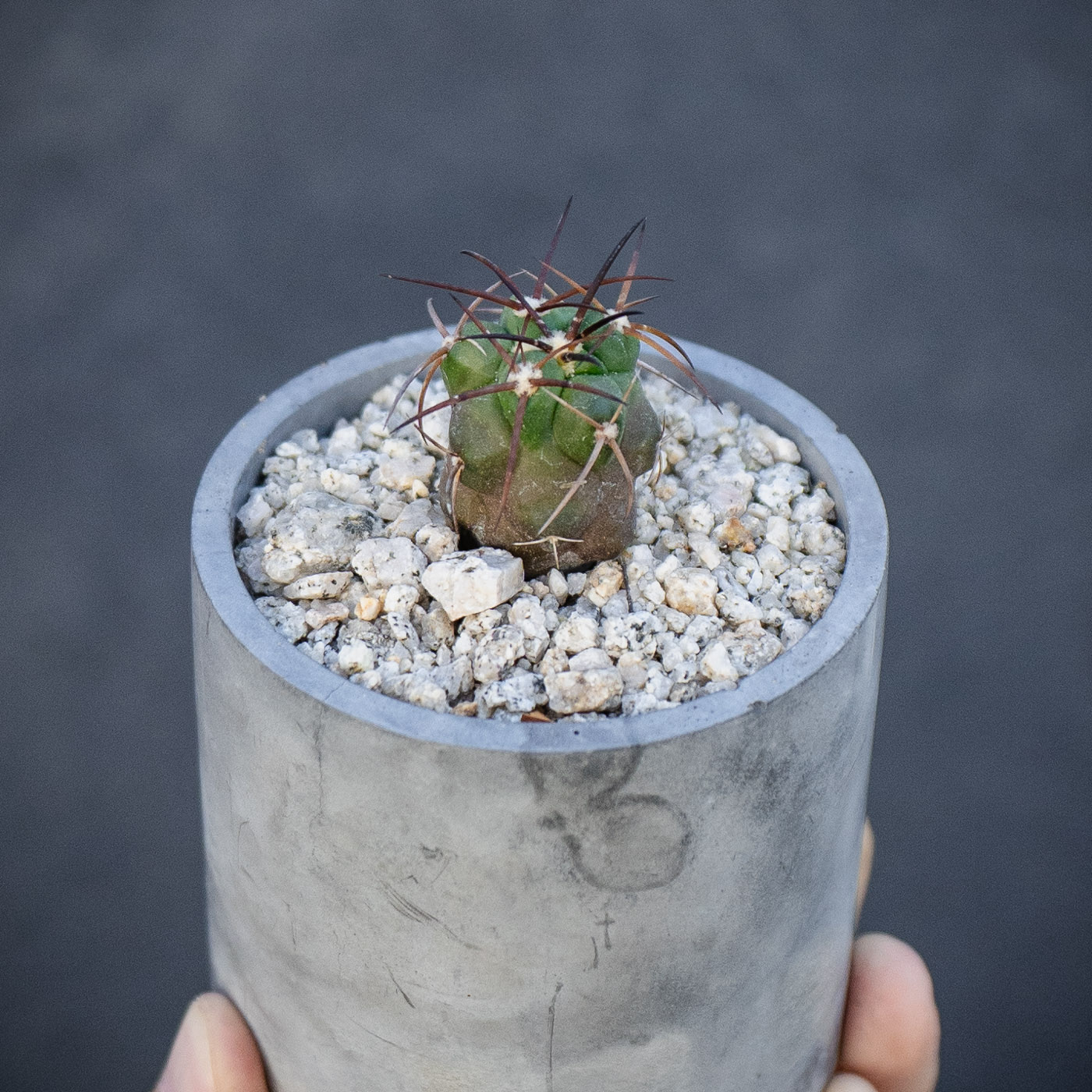
Copiapoa alticostata
Acquired16 days ago8/17/2026
PotterPrickly Point
Field Data
Field NumberJN 2187
Recorded ByJan Novák
LocalitySantunario Del Minero, Chile
Field data provided by rarecactus.com
Notes
Evolving in a hyper-arid climate, this species relies heavily on the coastal camanchaca fogs and extremely rare, sparse seasonal precipitation to survive. In a coastal Zone 10b environment, it thrives outdoors under the protective diffusion of shade cloth and a polycarbonate roof, which is critical to ensure its deep furrows do not trap standing water while strictly blocking out fatal winter rains. To replicate its native terrain, it demands an uncompromisingly fast-draining, highly porous mineral substrate—such as an inorganic blend of pumice, decomposed granite, and calcined clay. Housed in a breathable raw cement pot, it should be watered with discipline only during warm, breezy weather in the moderate shoulder seasons, enforcing a strict, completely dry rest throughout the peak heat of mid-summer and the cold winter dormancy.
Origin
Chile. This specific field collection (JN 2187, collected by Jan Novák in 2022) originates from an elevation of 336 meters near the Santuario del Minero in the Atacama Region (Region III). Native to the coastal foothills and arid valleys where the heavy oceanic fogs begin to dissipate, this species anchors itself into extremely rocky, mineral-rich soils. As its name (alticostata) suggests, it is characterized by its exceptionally high, prominent ribs that create deep furrows along its green to greyish-green stem. Over time, it forms impressive clustering mounds heavily armed with stout, sharp spines that gradually fade from dark brown or black to an ashy grey, eventually producing pale yellow blooms from its woolly apex.
Note: Coordinates indicate a general region for educational purposes and are not exact locations. Please do not use them for collection or poaching.