2026/08/15
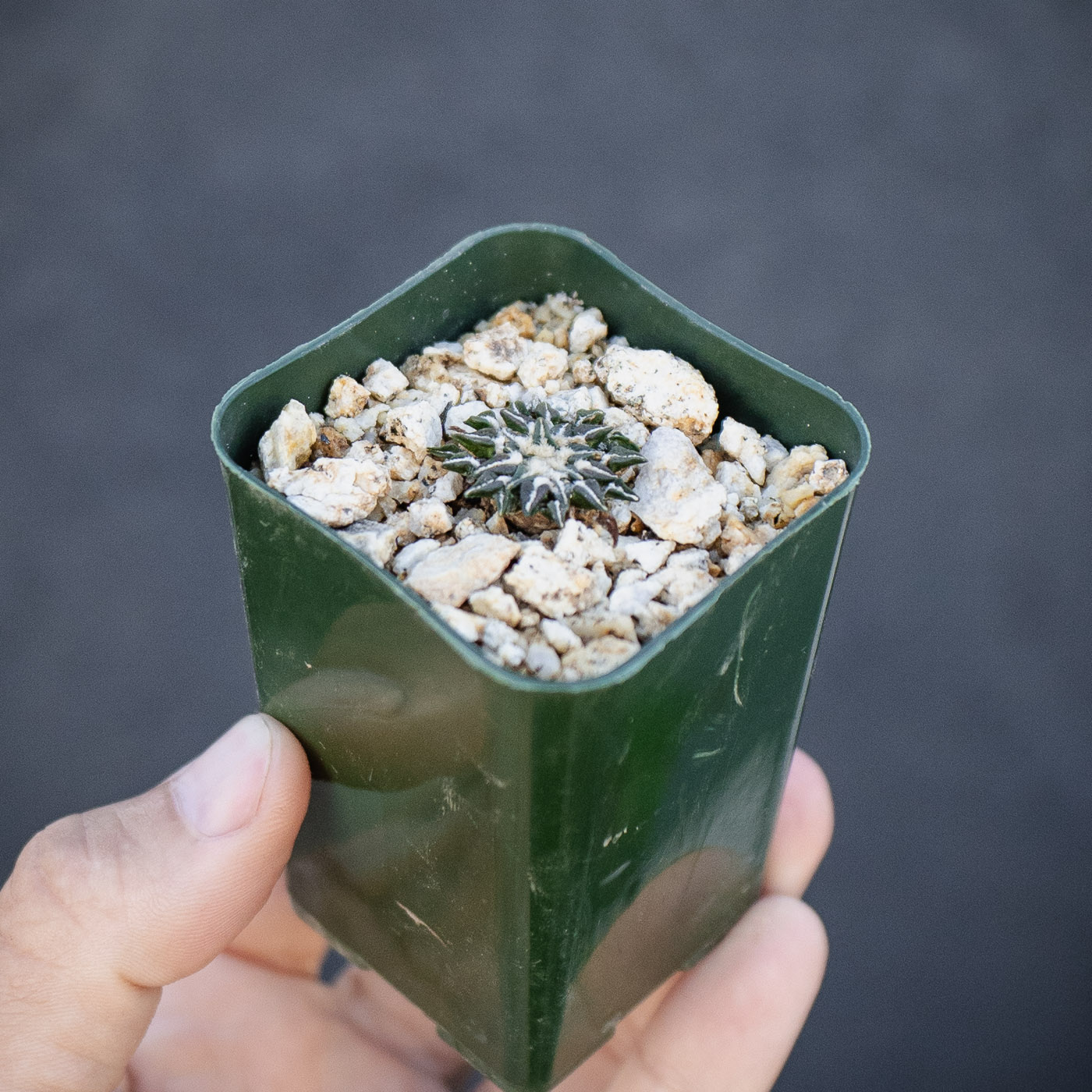
Ariocarpus kotschoubeyanus var. macdowellii
Acquiredabout 1 month ago8/15/2026
Notes
Adapted to the intense heat and summer monsoon rains of the Chihuahuan Desert, this species wakes up in the spring and performs its active growth and flowering during the hottest months of the year. In a coastal Zone 10b environment, it thrives outdoors under the protective diffusion of shade cloth and a polycarbonate roof, which shields its flat, slow-growing rosette from surface scorching and strictly blocks out cold winter rains. Because the vast majority of the plant is a massive underground root system, it requires a deep, breathable container like a raw cement pot and an uncompromisingly fast-draining mineral substrate—such as a gritty blend of pumice, decomposed granite, calcined clay, and just a pinch of cactus soil. It appreciates deep, soaking waterings during the peak heat of summer, provided the mix dries out completely and rapidly between waterings. Once its autumn flowering finishes and temperatures drop, water must be withheld entirely, enforcing a strict, bone-dry dormancy throughout the winter to prevent devastating taproot rot.
Origin
Mexico. This highly evolved, geophytic miniature cactus is endemic to the harsh Chihuahuan Desert, specifically localized in the state of Coahuila. It grows in fine, silty alluvial flats that occasionally flood during summer monsoons but bake into concrete-like hardness during the long dry season. To survive this extreme environment, it develops a massive, fleshy underground taproot, while its flat, star-shaped rosette of triangular, heavily fissured dark green tubercles sits completely flush with the soil surface to hide from the sun and herbivores. This specific northern variety (macdowellii) is distinguished from the type species by its smaller overall size, slightly narrower tubercles, and much paler flowers—typically producing striking white to very soft pink blooms from its central woolly crown in the autumn, rather than deep magenta.
Note: Coordinates indicate a general region for educational purposes and are not exact locations. Please do not use them for collection or poaching.