2026/06/13
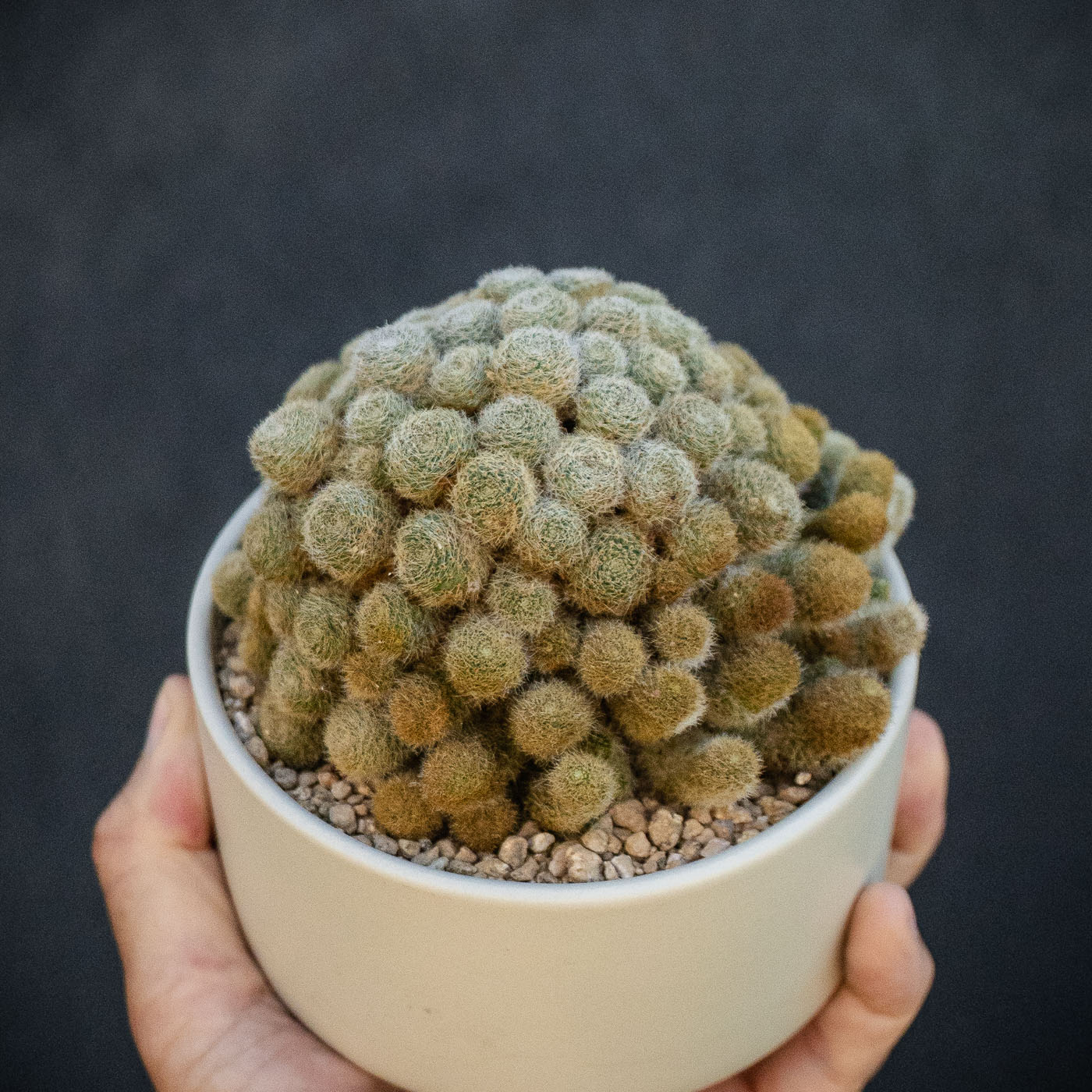
Sulcorebutia minima
Acquired3 months ago6/12/2026
Notes
This species is a dedicated summer grower, syncing its growth with the heavy precipitation and storms that move across the Bolivian Andes during the warm months. It kicks off its active season in mid-to-late spring by producing rings of brilliant, oversized magenta-red flowers directly from the base of the stems. It enters a strict, dormant winter rest as the habitat turns bone-dry and temperatures drop near freezing. In cultivation, its taproot is exceptionally prone to rot from stagnant moisture; it demands an inorganic, coarse mineral substrate (like an 80% pumice and granite mix) and should be watered thoroughly but only when completely dry during summer, tapering off to absolute dryness over winter to trigger the next spring bloom cycle.
Origin
Bolivia. It is native to the high-altitude regions of the Cochabamba Department, specifically localized around the town of Anzaldo in the Esteban Arce Province. This miniature, freely clumping species grows tucked into the crevices of steep, rocky clay slopes and gravelly grit zones at elevations exceeding 3,000 meters above sea level. It has evolved a massive, carrot-like taproot to anchor itself against severe alpine winds and store moisture during seasonal droughts, producing tiny, dark green to purplish stems that grow in highly compact, dense mounds.
Note: Coordinates indicate a general region for educational purposes and are not exact locations. Please do not use them for collection or poaching.