2026/05/22
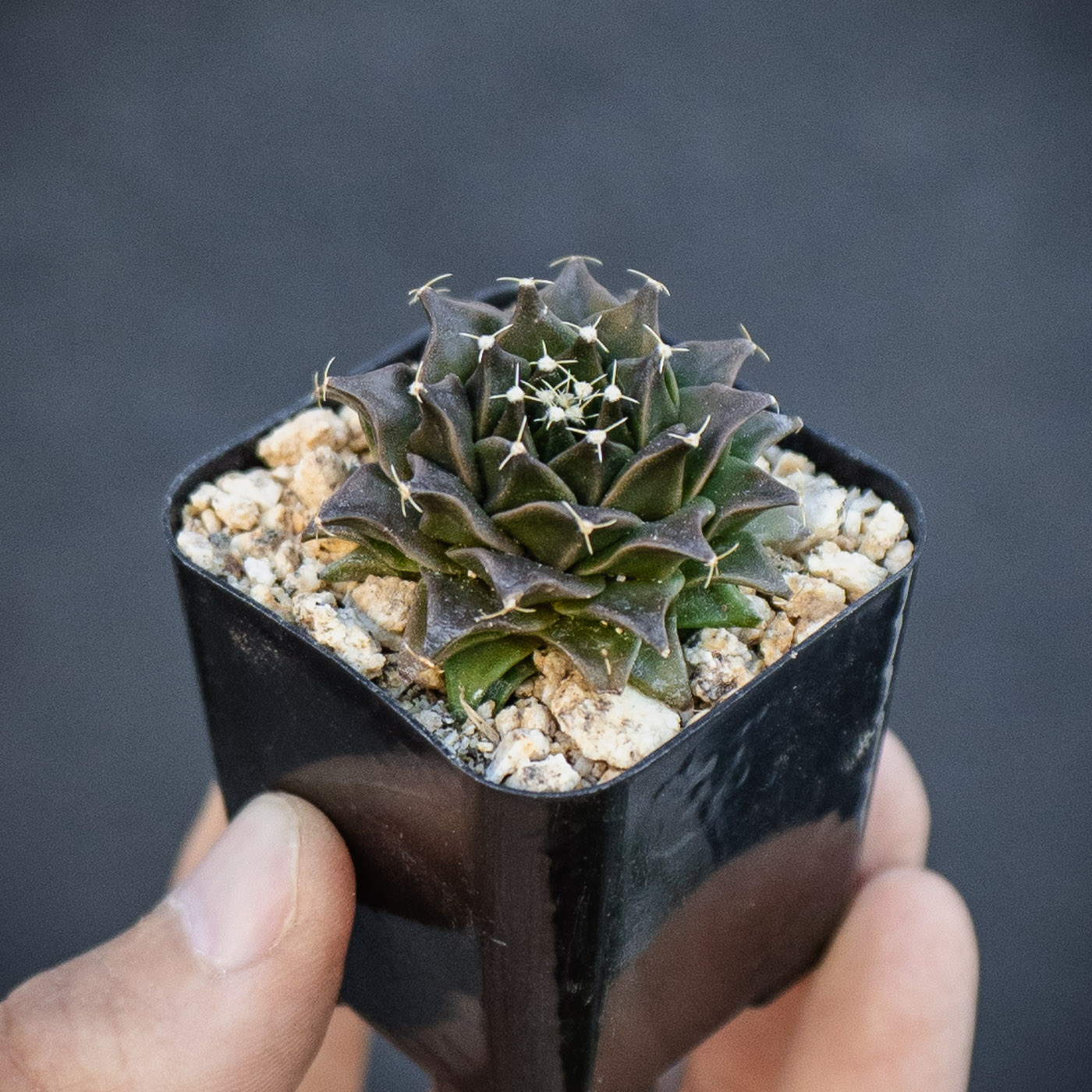
Obregonia denegrii
Artichoke Cactus
Acquired4 months ago5/21/2026
Notes
This species is a dedicated summer grower, aligning its active vegetative push and core metabolic momentum with the high temperatures and monsoonal thunderstorm rains of northeastern Mexico. It kicks off its reproductive cycle in early summer, pushing small, delicate white-to-pale-pink flowers directly from the woolly center of the apex. As the autumn chills arrive and winter sets in, it enters a strict, deeply recessed dormant rest to withstand the dry season. In cultivation, its thick, fleshy napiform taproot is exceptionally sensitive to overwatering and stagnant alkaline conditions; it demands a highly porous, lean, strictly mineral-dominant substrate (such as 80% pumice and decomposed granite) and must be watered thoroughly only when completely dry during the heat of summer, keeping it bone-dry and cool throughout the winter rest.
Origin
Mexico. It is a highly localized endemic species found exclusively within a very restricted geographic range in the state of Tamaulipas, specifically concentrated within the semi-arid valley of San Vicente in the municipality of Jaumave. This distinct, primitive cactus grows solitary and sits nearly flush with the ground, almost completely hidden under the sparse shade of low-lying thorn scrub, leguminous bushes, and limestone chips. Its iconic, spiraling rosettes of triangular, leaf-like tubercles mimic the appearance of an artichoke or an agave, an evolutionary camouflage (crypsis) that helps it blend seamlessly into the surrounding limestone gravel to evade herbivores.
Note: Coordinates indicate a general region for educational purposes and are not exact locations. Please do not use them for collection or poaching.