2026/05/22
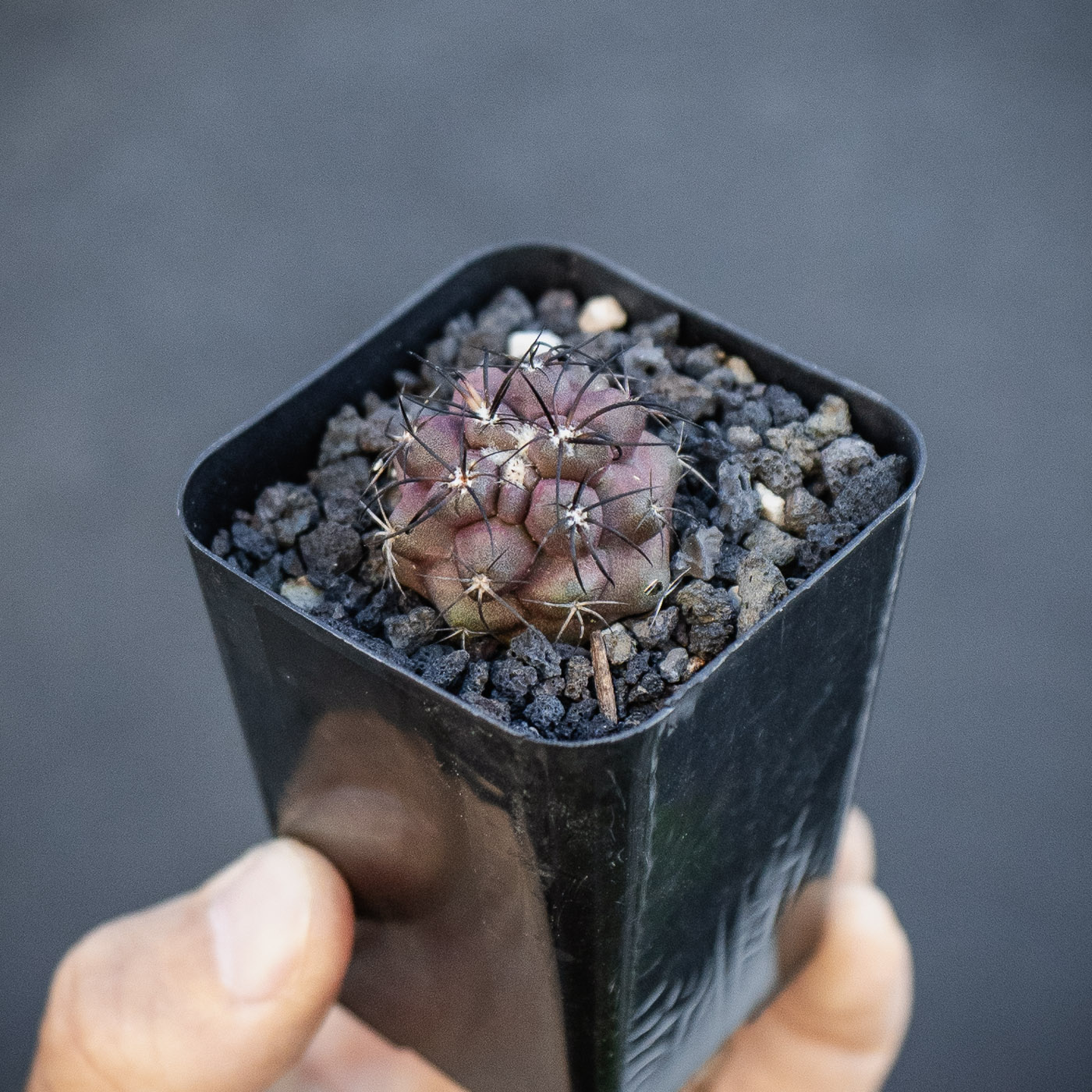
Copiapoa taltalensis var. hornilloensis
Acquired5 months ago5/3/2026
Notes
This low-altitude coastal form thrives in an environment with almost nonexistent annual rainfall, relying entirely on the dense marine Camanchaca fog for survival. Its core metabolic processes and vegetative growth are heavily concentrated during the high-humidity months of late winter and spring when the fog is most persistent. It drops into a deep, defensive dormancy to prevent desiccation during the intense dry heat of mid-summer. In cultivation, it requires an extremely lean, strictly inorganic, mineral-heavy substrate (like an 80% pumice and crushed granite mix) and must be watered with extreme caution, restricting moisture to the cool shoulder seasons.
Origin
Northern Chile. This distinct geographic forma is native to the hyper-arid coastal hills and rocky quebradas of the Antofagasta region, specifically localized around the remote coastal area of El Hornillo, just south of the port town of Taltal. It grows on highly exposed, sun-baked gravel terraces and steep, rocky canyon walls. The plants typically feature solitary or sparsely clustering globose stems with a dark, greyish-green to purple-tinted epidermis, strongly highlighted by prominent, notched ribs and stiff, needle-like black-to-dark-brown spines.
Note: Coordinates indicate a general region for educational purposes and are not exact locations. Please do not use them for collection or poaching.