2026/05/22
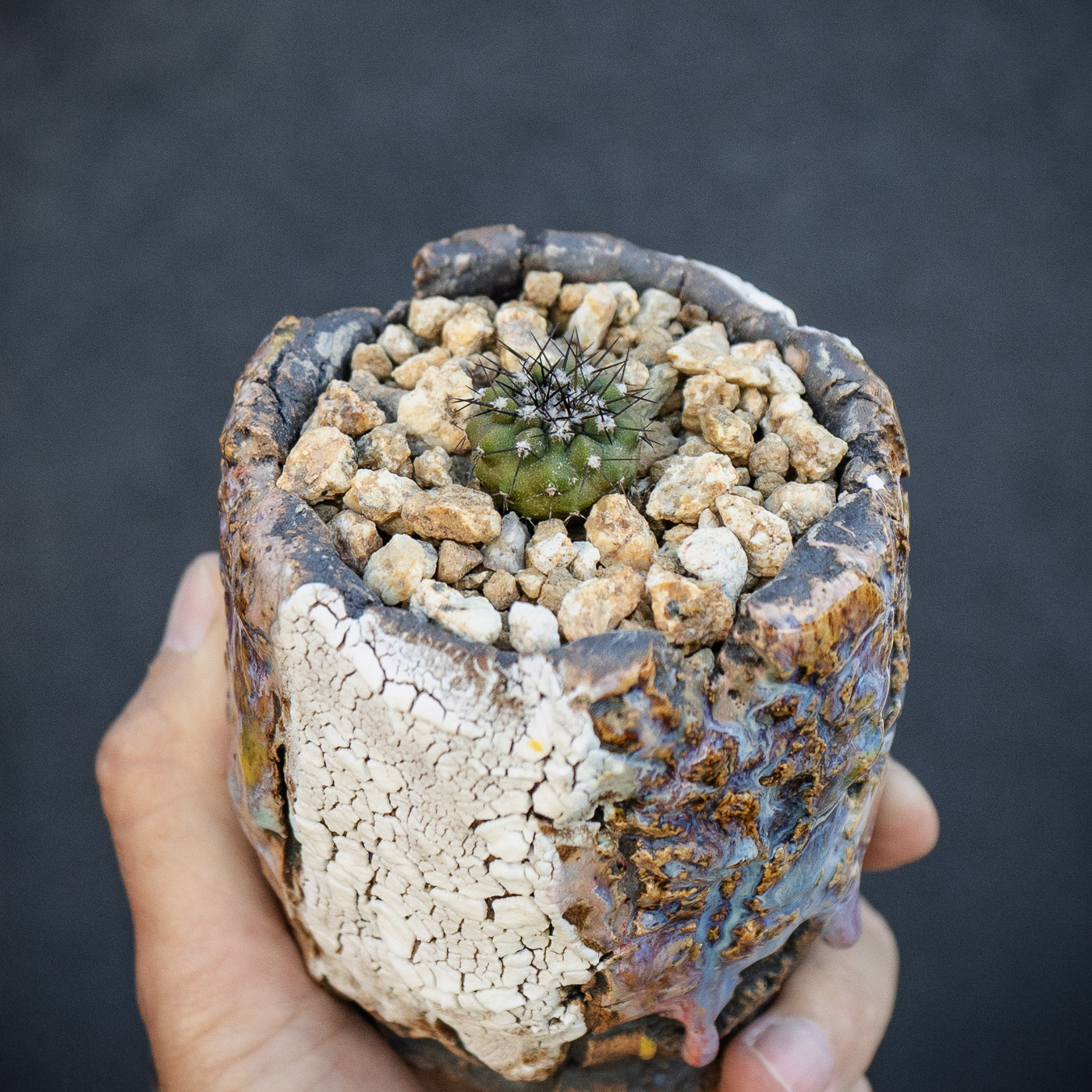
Copiapoa melanohystrix
Acquired4 months ago5/21/2026
PotterGV Succulents
Field Data
Field NumberJN 2618
Recorded ByJan Novák
LocalityQuebrada Los Zanjones, Chile
Field data provided by rarecactus.com
Notes
This species is a specialist in atmospheric moisture harvesting. In the rugged terrain of Los Zanjones, the plants rely almost exclusively on the "Camanchaca" fog to survive. Their primary growth phase occurs during the cooler months of winter and early spring when the fog is most persistent and the night temperatures remain low. During this time, they absorb moisture through their spines and epidermis, as well as via their extensive, shallow root systems that catch condensation dripping from the rocks.
In cultivation, the JN 2618 field number is highly sought after for its intense, dark spination and the characteristic grey-blue waxy coating (farina) that develops on the epidermis with age. It is extremely sensitive to excess moisture and stagnant air. To mimic its native canyon habitat, it requires a strictly mineral substrate—such as a mix of 80% pumice and decomposed granite—to ensure rapid drainage around the neck and roots. Watering should be light and opportunistic, ideally timed with cool evenings during the spring and autumn, while maintaining a strict dry dormancy during the heat of mid-summer and the coldest part of winter.
Origin
Northern Chile. This specific collection by Jan Novák comes from Quebrada Los Zanjones in the Antofagasta region, situated at an elevation of 414 meters. This locality is part of the hyper-arid coastal desert where the plants cling to the rocky, sun-scorched slopes of the Quebrada (canyon). The species name melanohystrix—meaning "black porcupine"—is a direct reference to the dense, jet-black spines that shield the plant's apex. At this altitude, the plants are positioned perfectly to intercept the daily coastal fog as it funnels through the canyon's topography.
Note: Coordinates indicate a general region for educational purposes and are not exact locations. Please do not use them for collection or poaching.