2026/05/14
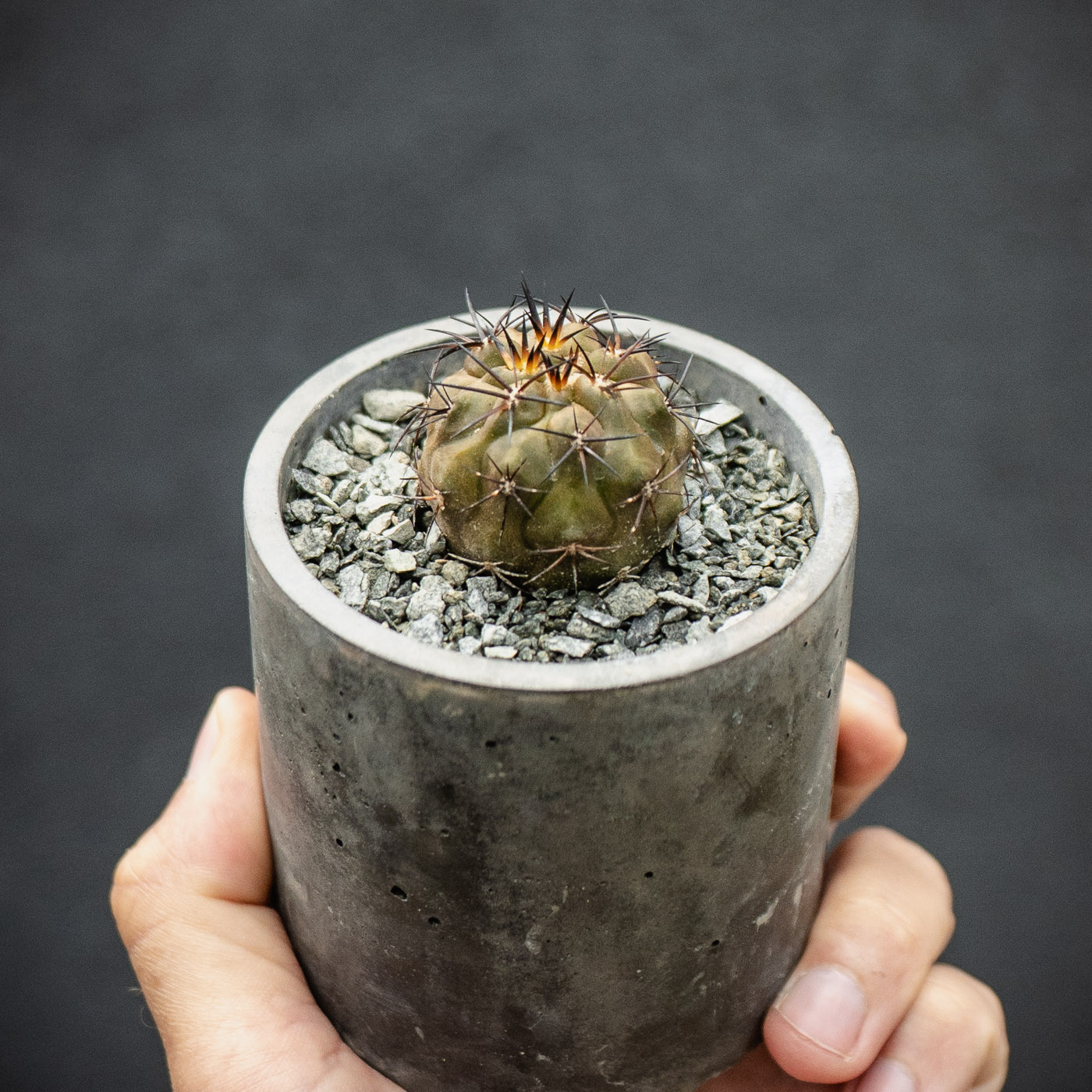
Copiapoa echinoides var. cupreata
Field Data
Field NumberFK 49
Recorded ByFred Kattermann
LocalityTotoral Bajo, Copiapo, Chile
Elevation200m
Field data provided by rarecactus.com
Notes
This plant follows the classic coastal Atacama cycle, waking up during the cooler months when the "Camanchaca" fog is most frequent. Its peak growth and flowering (typically pale yellow blooms) occur in late winter and through the spring. Like its neighbors, it enters a semi-dormancy during the height of summer to prevent moisture loss.
In cultivation, this variety is highly prized for its dark, stiff spines and copper skin. It requires a very lean, inorganic substrate—ideally a mix of pumice and decomposed granite—to mimic the sharp drainage of the Totoral hills. It is sensitive to standing water and prefers the "wet-dry" cycle of the shoulder seasons, with very little to no water during the heat of mid-summer or the dead of winter.
https://mesagarden.com/product/copiapoa-echinoides-cupreata-fk49-77-84-26
Origin
Northern Chile. This specific variety is found in the Atacama Region, specifically around the coastal area of Totoral Bajo, south of the city of Copiapó. It inhabits extremely arid coastal terraces and low rocky hills (around 200m altitude). The name cupreata refers to the distinctive copper-toned or bronzed epidermis that the plant develops, especially when grown in high-mineral soils and exposed to intense UV light. In its native habitat, it grows alongside Copiapoa echinus in gritty, decomposed granite and schist.
Note: Coordinates indicate a general region for educational purposes and are not exact locations. Please do not use them for collection or poaching.