2026/05/18
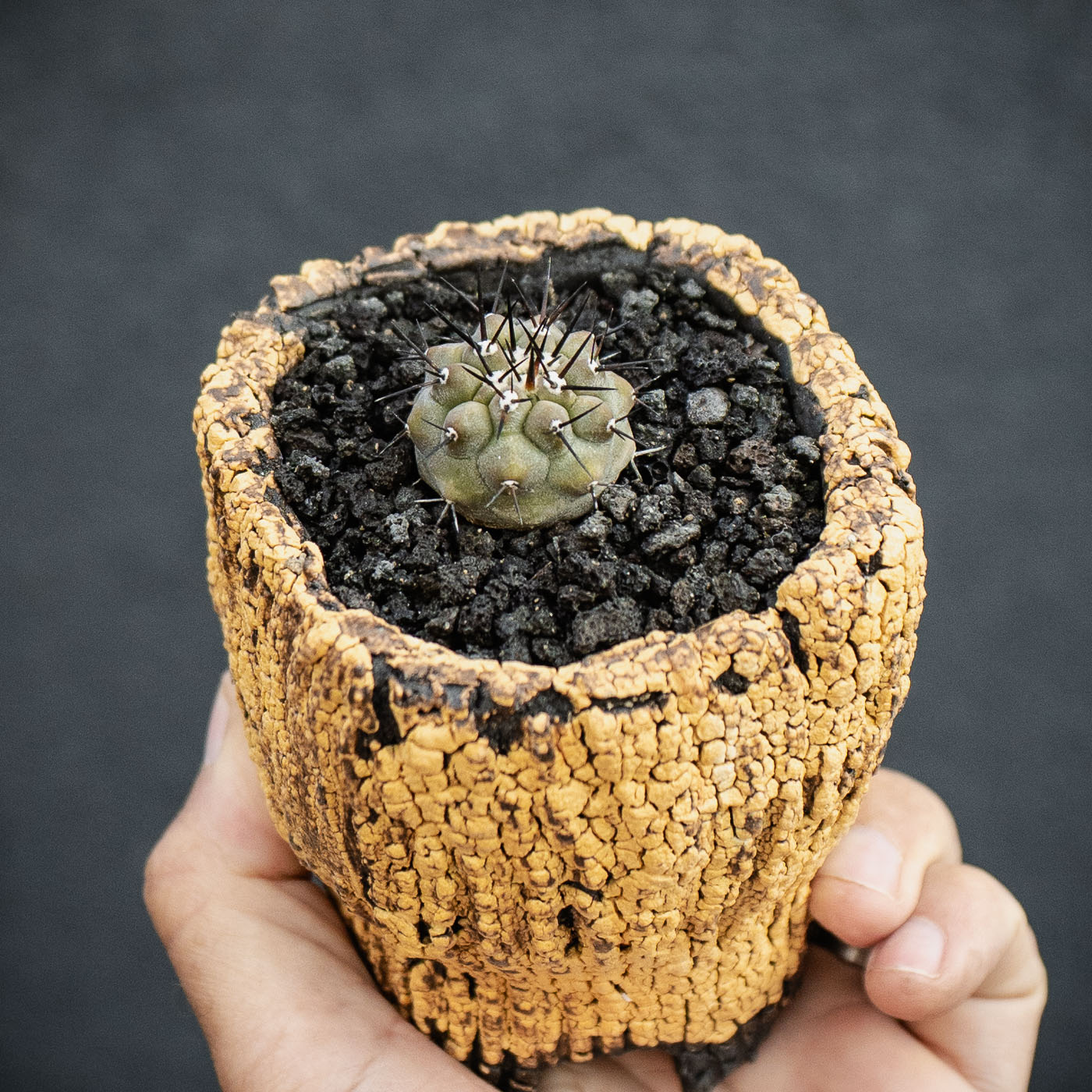
Copiapoa cinerea
Acquired4 months ago5/16/2026
PotterGV Succulents
Notes
In a clay pot by @gv_succulents
Living in one of the driest places on Earth, this species is entirely dependent on the daily Camanchaca fog for survival. Its primary metabolic activity and growth occur during the cool, high-humidity months of late winter and spring, when the coastal fog drops maximum moisture onto its heavy black spines. It shuts down completely and enters a deep dormancy during the intense heat of summer. In cultivation, it is exceptionally sensitive to overwatering and root asphyxiation; it demands a purely inorganic, mineral-heavy substrate (such as 80% pumice combined with decomposed granite) and should be watered very lightly, focusing only on the cool shoulder seasons when night temperatures drop.
Origin
Northern Chile. This iconic species is native to a highly restricted, hyper-arid strip of the Atacama Desert coastline, centered around the rocky hills and barren coastal terraces near Taltal. The name cinerea means "ash-colored," highlighting the plant's hallmark chalky-white, waxy epidermis, which serves as an evolutionary shield against intense solar radiation. It grows on steep, gravelly slopes and exposed marine benches, where it slowly forms magnificent, solitary columns or small clumps that stand out dramatically against the dark volcanic rock.
Note: Coordinates indicate a general region for educational purposes and are not exact locations. Please do not use them for collection or poaching.